





 My Storefront







I wanted to write this because I think eye surgery, especially upper blepharoplasty, lower blepharoplasty and ptosis repair, gets talked about in a very surface-level way online.
You usually just see a before and after.
But for me, this decision was years in the making, and it was both functional and preventative, not just cosmetic.
I don’t take plastic surgery lightly. I’m actually very conservative when it comes to anything medical. My husband is in medicine, his dad is a doctor, and we’ve always approached things from a very educated, preventative standpoint. We don’t jump into medications or procedures unless they truly make sense long-term.
And that’s exactly how I approached this.
The Real Reason: Genetics, Ptosis, and Functional Issues
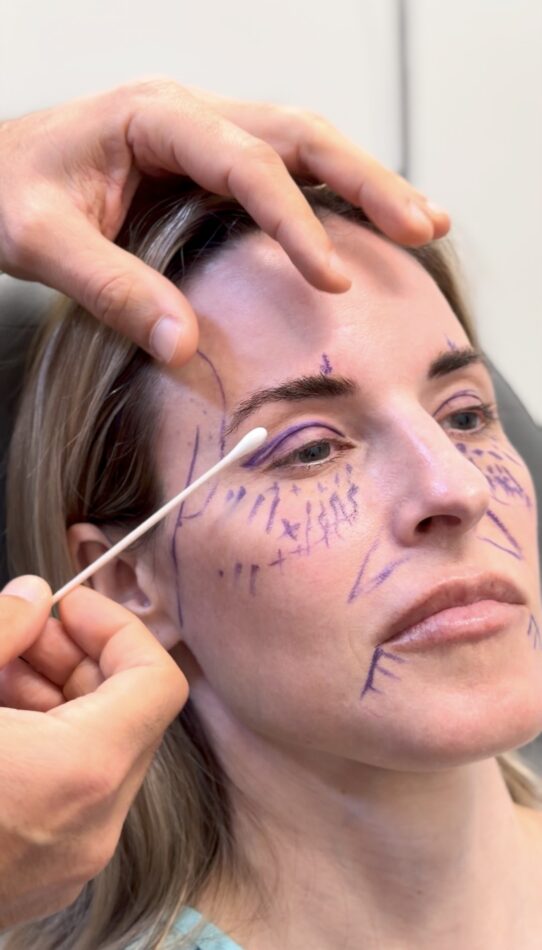
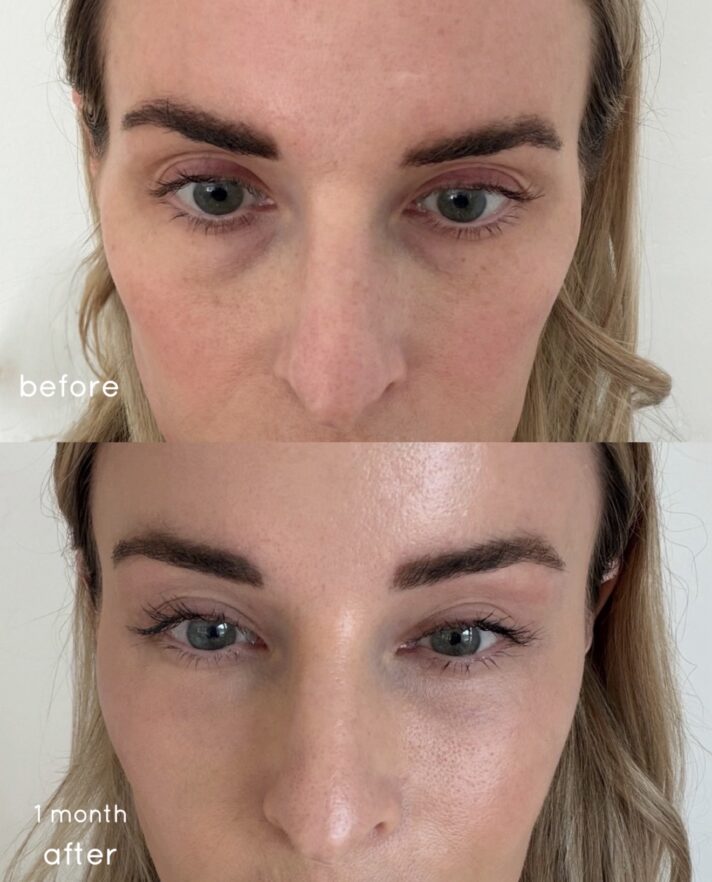
I have a genetic history of very hooded eyes, and over time, it created real functional problems.
The excess skin and structure around my eyes were putting pressure on my eyelids, which led to ptosis. My eyelids were physically drooping.
It got to the point where I could constantly see my eyelids and eyelashes in my field of vision all day. Every day.
Especially in the last year, it became something I couldn’t ignore.
On top of that:
• My lower lid had started to droop
• My eyebrows were asymmetrical
• My right side was significantly worse, adding more downward pressure
So this wasn’t just about appearance. It was about how my eyes were actually functioning.
That’s why I chose:
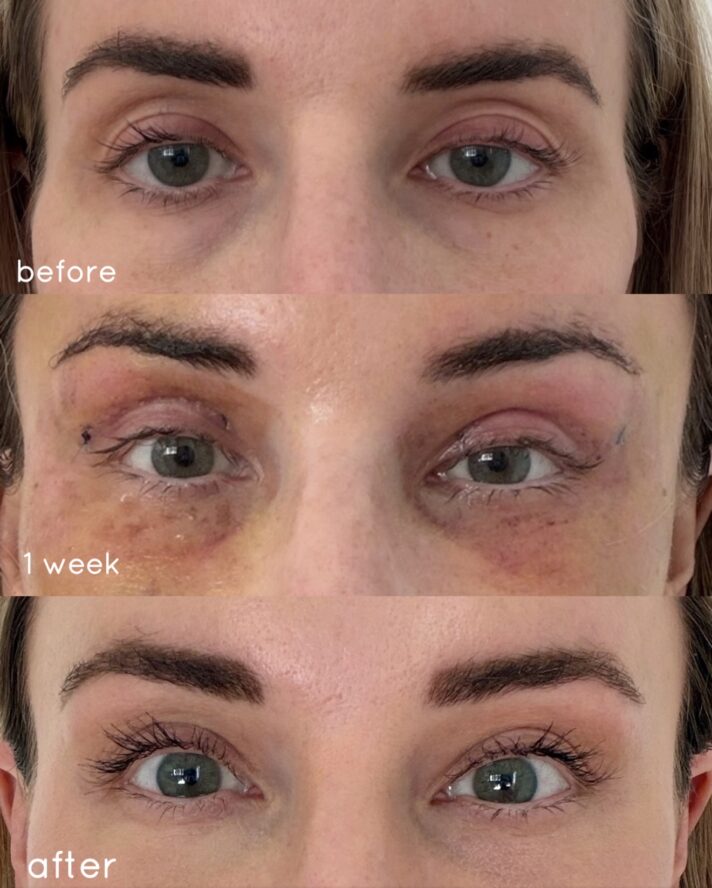
• Upper blepharoplasty with ptosis repair
• Lower blepharoplasty
• Fat grafting
I had also been using Botox and filler to try to manage this, but I got to a point where I didn’t want to keep “chasing” the issue. My face felt overly frozen, and it wasn’t solving the root problem.
I wanted a more permanent, structural fix.
Preventative, Not Reactive
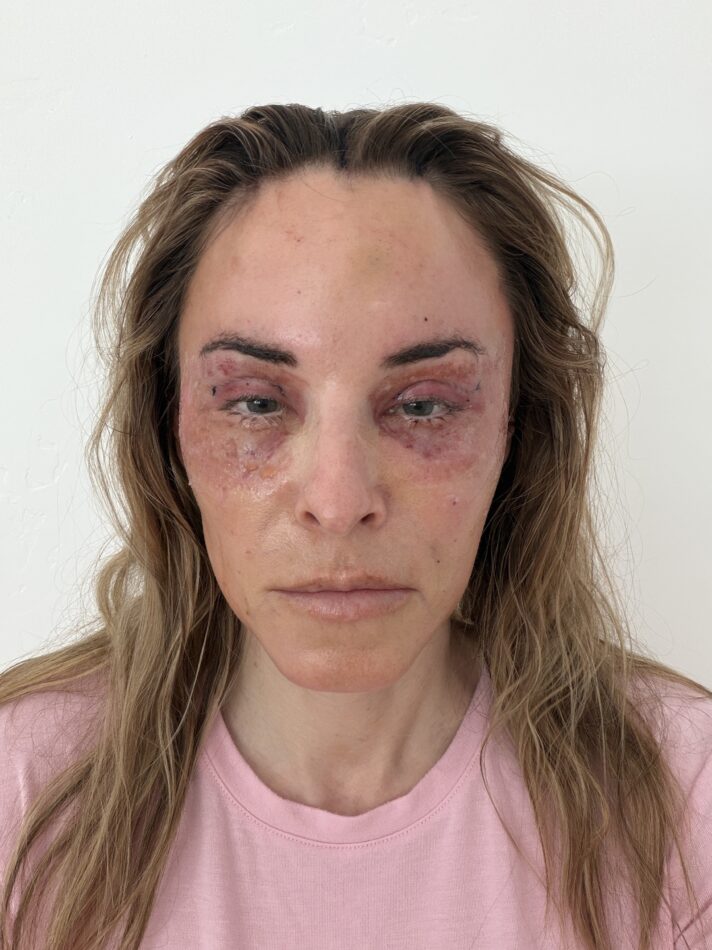
Could I have waited until I was older to do this? Yes.
But by that point, everything would have been much further along, and healing is also harder as you age.
For me, this felt preventative.
If you know you have anatomical issues, waiting doesn’t fix them. It just means you’re living with them longer, and often correcting something more advanced later.
I wanted to address it while my body could heal well and before it progressed further.
The Biggest Surprise: I Can See Better
This was the part I didn’t fully expect.
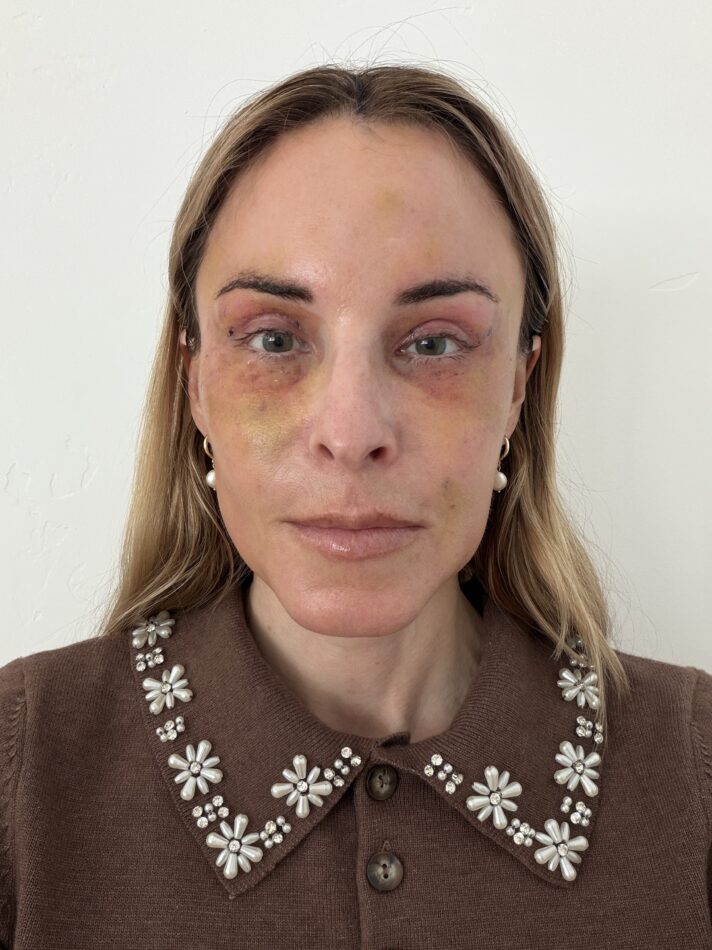
I can literally see better.
The world feels bigger, brighter, and clearer. There is more light coming into my eyes, and it has genuinely impacted how I feel day to day. I feel happier, more energized, and more like myself.
And this is not just subjective.
When you have ptosis, your eyelid is physically blocking part of your vision and limiting light.
Also, something that is so important:
A lot of surgeons will do an upper bleph without addressing ptosis because ptosis repair requires an ocular specialist. But if you only remove skin and don’t fix the muscle, you can end up with an eye that still doesn’t function properly or even looks smaller.
A quick way to check:
If your upper lid is sitting very close to your pupil or even covering part of it, this is ptosis, not extra skin. Also, if you can see your eyelid is in your vision all day, you could have ptosis and an ocular surgeon can confirm.
Surgery Day + What It Actually Felt Like
Going into surgery, I was very emotional. I was scared, uncertain, and overwhelmed.
Even when you know it’s the right decision, it’s still a big thing.
What made the biggest difference for me was my surgeon, Dr. Lieberman, and his team at L&P Aesthetics. They were extremely thorough and realistic. Not just focused on results, but on the entire experience.
I knew:
• How I would feel
• How I would look
• What recovery would actually be like
• Exactly how to take care of myself
That level of guidance made me feel confident going in.
The hardest part physically was the car ride home. That was peak discomfort.
After that, once I got home and rested, everything felt manageable.
Recovery: The Honest Version
I was not in pain.
It was discomfort, tightness, swelling, and just the overall feeling of healing.
For the first four days, I slept most of the time. My body needed it.
Day five was my hardest mental day.
My eyes were extremely dry, which is normal after ptosis repair because your eyelid muscles are relearning how to work. Your eyes don’t know how to blink properly yet, and screen time makes it worse.
That was my “what did I do” moment.
But once I got past that phase and stopped using ointment, everything improved quickly.
Each part healed differently:
• Brow lift: most intense, scalp numbness, hard to wash/brush hair, at 6 weeks I still have some numbness but improves everyday
• Lower bleph: easiest, mostly swelling
• Laser: required careful skin care and sunscreen
Healing is not linear. Some days you look more open, some days less.
You really need to give it at least six months before judging results.
The Part People Don’t Want to Say Out Loud
I think there are two very strong narratives right now.
One is:
“Do nothing. Aging is a privilege. Let your face move.”
And I truly respect that.
But there is also another side.
It’s the feeling of looking in the mirror and thinking, “That’s not how I feel” and “my face isn’t functioning like it used to.”
You feel energized, clear, like yourself. But your face is telling a different story.
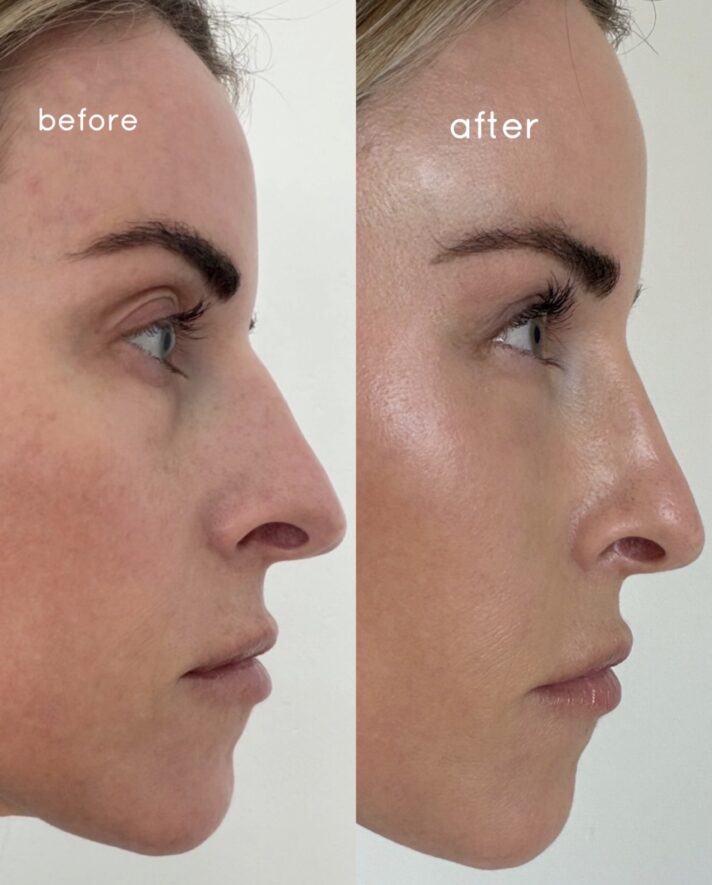
For me, this was both functional and aesthetic.
I wanted my eyes to work properly, but I also wanted to look like myself again. Not different. Not younger. Just like me.
And I think both perspectives can exist.
If someone wants to do nothing, that’s completely fine.
But choosing to do something, especially when it’s rooted in function and prevention, should not be judged either.
My Advice If You’re Considering This
If you found this post, you’re probably already thinking about one or more of these procedures.
Here’s what I would say:
1. Only go to a facial plastic surgeon.
Not general plastic. Face only. This is non-negotiable.
2. Look for double board-certified.
This matters.
3. Choose above your budget.
This is your face. You want it done correctly and you want access to your surgeon.
I spoke to Dr. Lieberman multiple times before surgery, and he personally checked on me after. That level of care matters more than saving money.
4. Understand ptosis repair vs. excess skin upper bleph.
If the muscle isn’t fixed, you’re not solving the real issue.
5. Be in the right stage of life.
You need at least five days of real rest. You will sleep a lot. You won’t be productive. You need support. Not little kids who can’t be alone and need constant help and assistance.
Final Thoughts
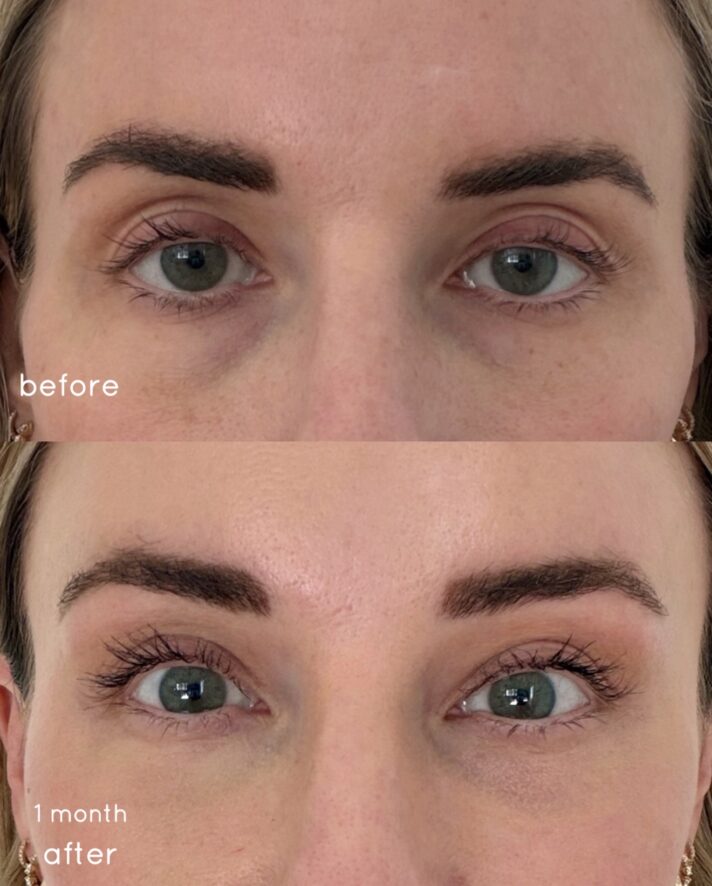
This wasn’t about changing how I look.
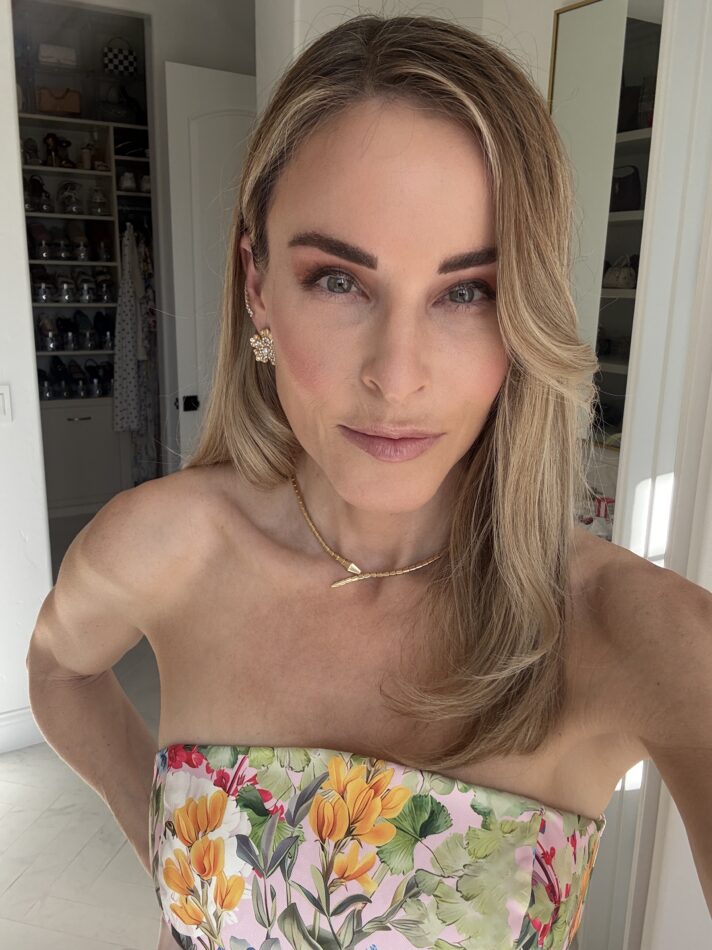
It was about fixing a functional issue, taking a preventative approach, and feeling aligned with myself again.
And now, on the other side of it, I can say it was absolutely worth it.


