




 My Storefront







If you caught my first post about perimenopause, you know how wild this stage of life can feel. I wanted to follow up with a more personal update — a peek into what’s worked for me, what’s surprised me, and how I’ve learned to navigate perimenopause in my 40s without losing my mind (or my sleep!).

Starting HRT: A Game-Changer in My 40s
Around July last year, I started hormone replacement therapy (HRT) — an estrogen patch combined with a progesterone pill. And let me tell you, the first few months were a roller coaster.
Sleep felt nonexistent. I was edgy, emotional, and wondering more than once if I’d made the right decision. Finding the proper dosage took time, patience, and a lot of honest conversations. But once we finally got the balance right, everything changed.
If you missed my first perimenopause post, I shared some of the initial signs and experiences that led me to explore HRT for perimenopause — it’s a good read if you want context before diving into this update.
Early Signs of Perimenopause Many Women Miss
Sleep was definitely the hardest part for me. I did everything “right” and still woke up soaked in sweat, completely exhausted, and already behind before my day even started. It really starts to mess with you when you’re technically sleeping eight hours but feel like you haven’t slept at all. My mood, my patience, my ability to enjoy my days… all of it suffered.
Hormones and Sleep Struggles During Perimenopause
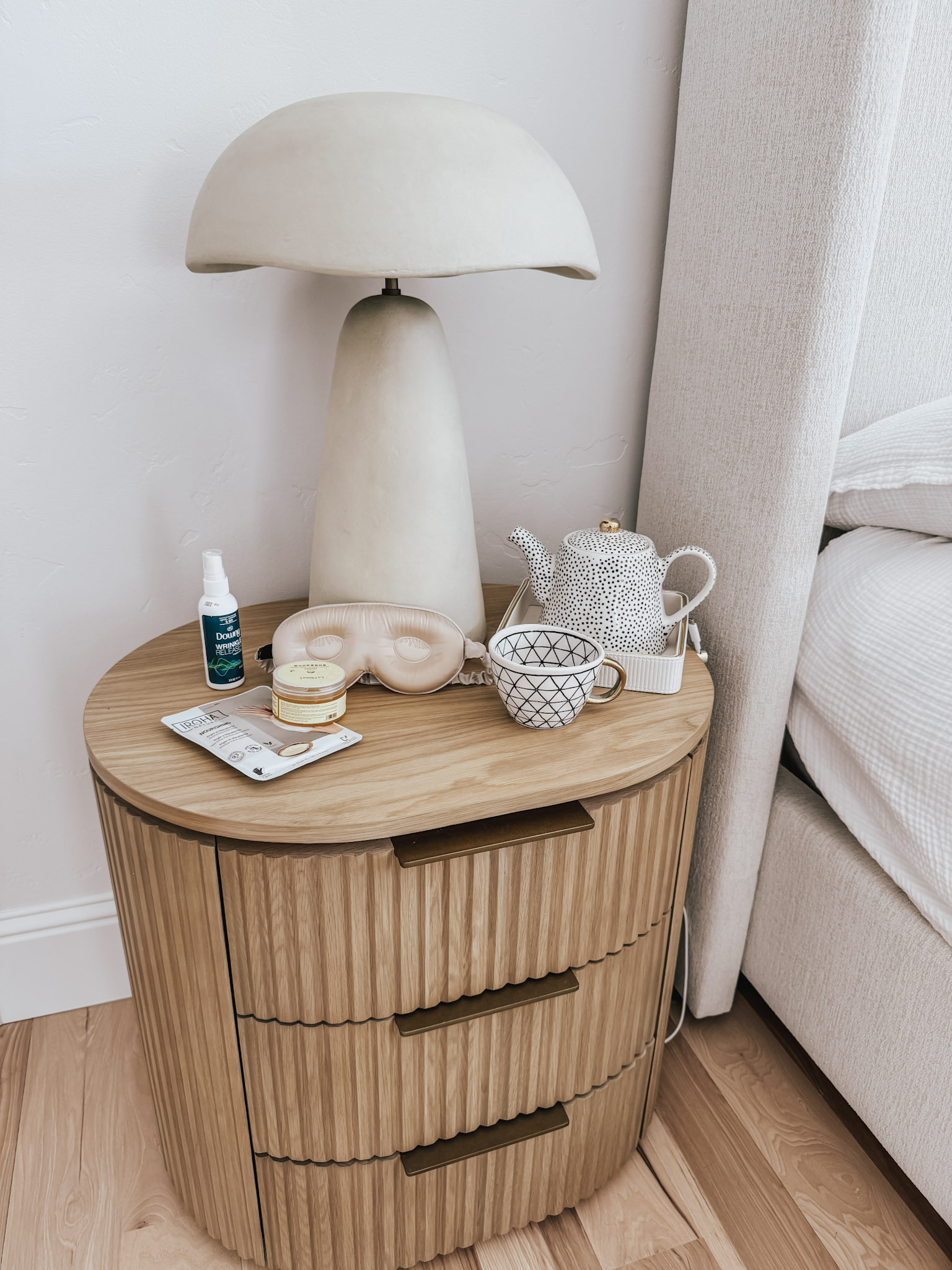
Once my hormone replacement therapy for perimenopause was finally dialed in, sleep came back. Real sleep. I finally was waking up feeling rested instead of depleted. And honestly, it felt life-changing.
If you’re navigating perimenopause in your 40s and feeling exhausted no matter how much you “sleep,” know that it’s not you — it might be your hormones. Even when lab results seem normal, your body can be screaming for balance.
I hear from so many women in their 40s who struggle with sleep and think the only solutions are melatonin or prescription sleep aids like Ambien. While these can be helpful in the short term for some, it’s worth exploring whether hormones might be playing a role. Talking with your doctor about options like HRT for perimenopause can sometimes make a bigger difference than trying to manage symptoms alone.
Sleep is often the first symptom of perimenopause in your 40s to really pay attention to. Chronic unrestful sleep can snowball into irritability, anxiety, and fatigue like I mentioned above. It’s real, and you are not alone.
Why Hormone Balance Matters More Than Supplements
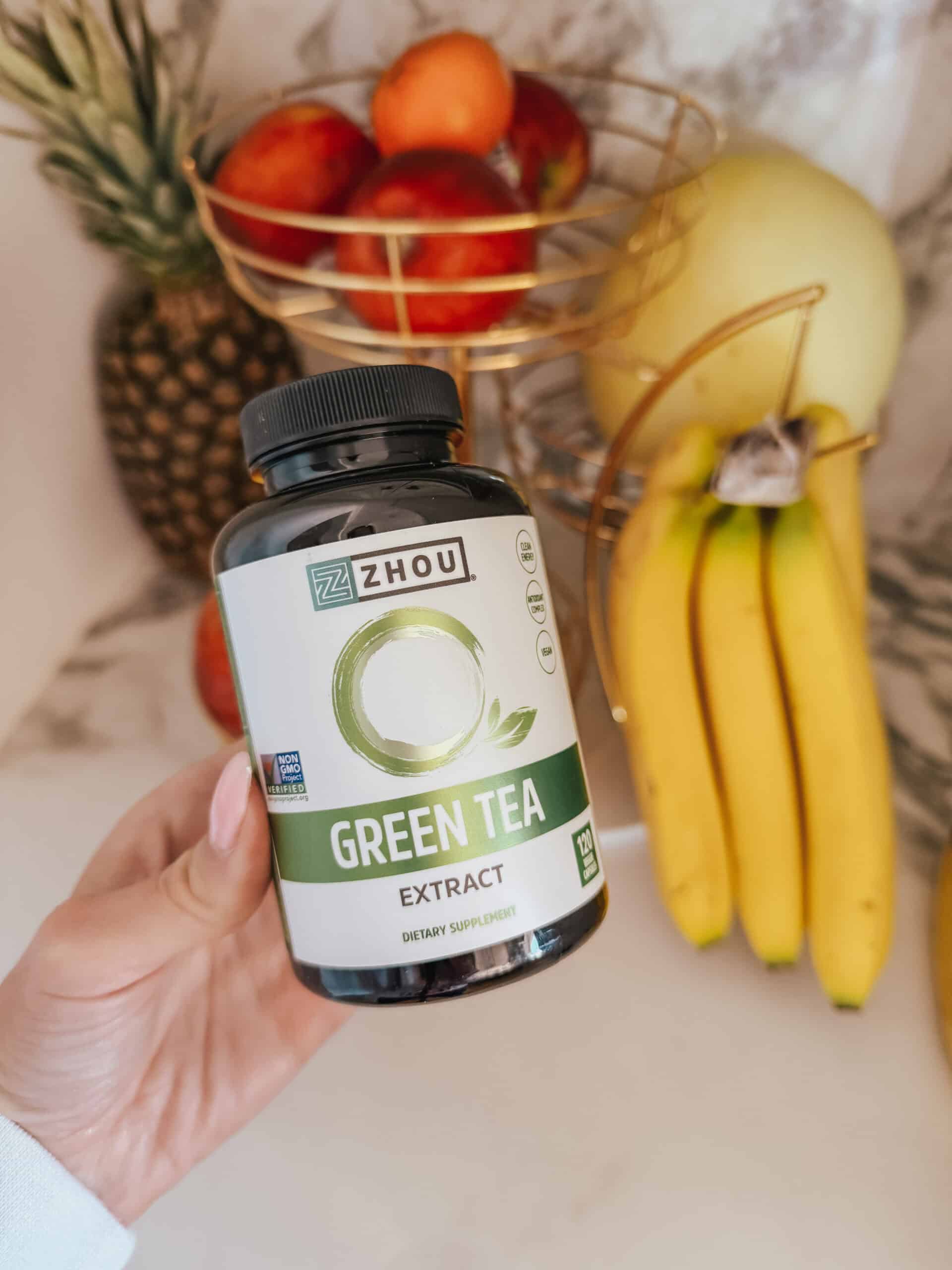
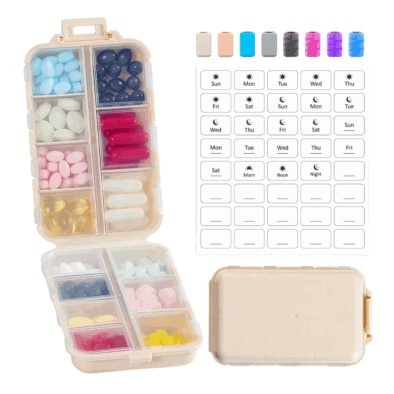
One thing I’ve learned the hard way is that piling on vitamins or supplements isn’t always the answer. I used to take DHA, collagen, B12, and more — sometimes in excess. It turns out that more isn’t always better; over-supplementation can even cause issues like acne or bloating.
Simplifying Routine In My 40s
Now that my hormones are balanced, I barely need anything extra. Occasionally I’ll take B12 or green tea extract for a boost, but there’s no strict daily regimen. Finding hormone balance first has simplified my routine and made me feel so much better overall.
Finding the Right Movement For Your Body in Your 40s

Exercise during perimenopause in your 40s has a completely different purpose for me than it did in my 20s. It’s not about punishing yourself or chasing a number on a scale — it’s about feeling good, moving freely, and supporting your mental health. I’ve watched friends spend years cycling through supplements, vitamins, and extreme workout routines trying to manage their weight, only to feel more frustrated and disconnected. Everyone is different, and it’s so important to listen to your body and prioritize what feels right for you.
Personally, I’ve found movement modalities like Tracy Anderson’s method to be transformative. It creates a strong mind-body connection through mat-based, multi-directional movement instead of rigid and repetitive workouts. This style of movement keeps me present and intentional. It’s structured, but not performative, and has helped me feel grounded while staying consistent over the long term. Part of what also helps keep me consistent, is having everything for working out accessible right at home. You can check out all my home gym essentials here.
The most important thing is to move in ways that energize and bring you joy. And make it fun – exercise should support your hormone balance and mental health, not try to “fix” anything.
Lifestyle Tweaks That Matter During Perimenopause in Your 40s
Beyond HRT and movement, simple lifestyle adjustments can make a big difference during perimenopause in your 40s:
Food Choices
I don’t obsess over calories for every snack or meal. Once hormones are regulated, my body naturally signals what it needs. I focus on foods that make me feel good rather than following rigid rules.

Alcohol Consumption
I rarely drink — maybe once a month for a special occasion — because I notice how differently it affects me now. Less drinking = less bloating, better mood, and more clarity.
The goal is balance and ease, not restriction or guilt.
Why I Chose HRT During Perimenopause in My 40s
Starting HRT for perimenopause at 43 was one of the best decisions I’ve made for my health. I wish I’d explored it a year earlier — it would have saved me months of unnecessary fatigue, emotional swings, and sleep struggles. My skin cleared up, my hair feels healthy again, and my overall mental and physical well-being improved dramatically.
Every Perimenopause Journey is Different
This is my personal experience — it’s not a prescription for anyone else. HRT for perimenopause is a conversation to have with your doctor, not a one-size-fits-all solution. But if you’re experiencing similar symptoms during perimenopause in your 40s, it’s worth exploring your options and understanding what might help.
Key Takeaways for Women Experiencing Perimenopause in Your 40s
– Sleep is an early red flag: If you’re waking up exhausted, having night sweats, or never feeling rested, pay attention. Unrestful sleep is often one of the first signs something is off.
– Hormones come first: Supplements, workouts, and “doing all the right things” can help, but they can’t replace proper hormone balance.
– How you Move Matters: Exercise should support your mental health and nervous system, not drain it. Gentle, flowing, multi-directional movement often feels better than rigid or high-intensity routines.
– Lifestyle should feel supportive, not restrictive: Listen to your body. Focus on foods that nourish you. Be honest about habits like alcohol and how they impact your sleep and energy.
Navigating perimenopause in your 40s can be overwhelming, but it’s also a chance to slow down and reconnect with yourself and your body. Learning what my body needs, finding hormone balance, and moving in ways that feel good has completely changed how I experience this season.